GLP-1 medications can be powerful metabolic tools. It is essential to focus on protein intake, resistance training, hydration, recovery, and digestive support as part of a more complete plan.

With GLP-1 therapy, weight loss can include some lean mass along with fat mass. That is why protein intake, strength training, and recovery matter if preserving muscle is part of the goal.

Lean muscle regulates blood sugar, supports your joints, and keeps you functional as you age. You don’t need to be an athlete for that to matter. Most people don’t realize how much they’ve quietly lost until they’re already behind.
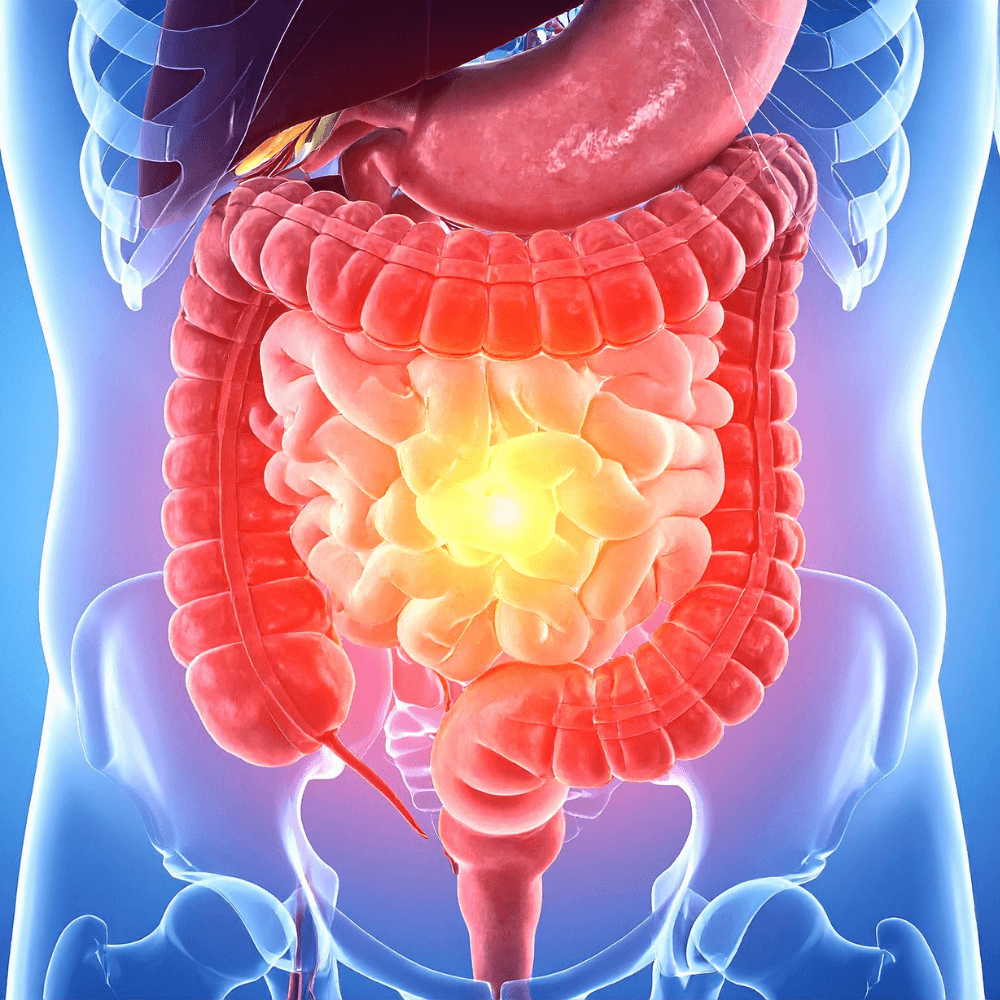
Your routine may need to adjust with it. GLP-1 medications can delay gastric emptying, and digestive changes can make hydration, protein, and overall nutrient intake more important to monitor. The medication may be doing its job – your nutrition and digestive routine may just need extra attention.
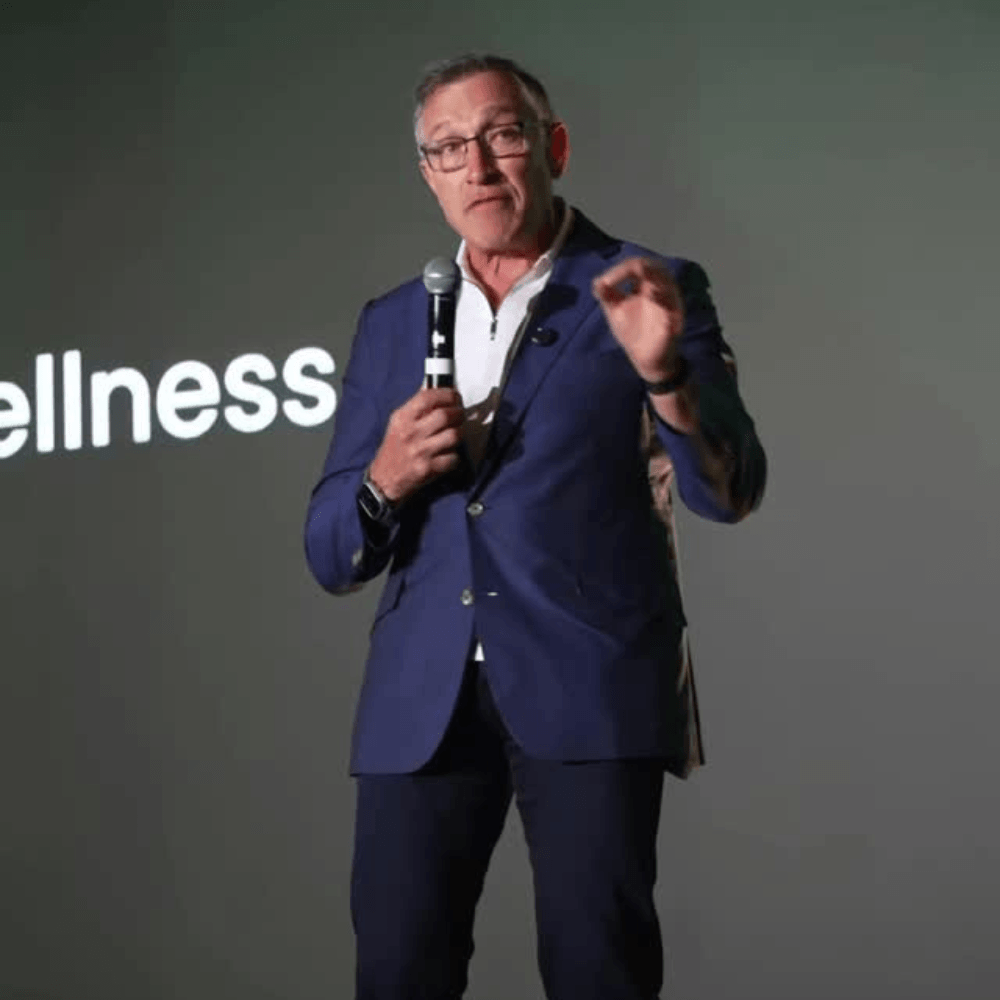
Jim LaValle, RPh, CCN – clinical pharmacist and Chair of the International Peptide Society has spent years educating on peptide therapies, metabolism, and precision health. AquaTrophin™ was developed as part of a broader nutritional strategy for adults focused on muscle support, metabolic health, and performance aging.
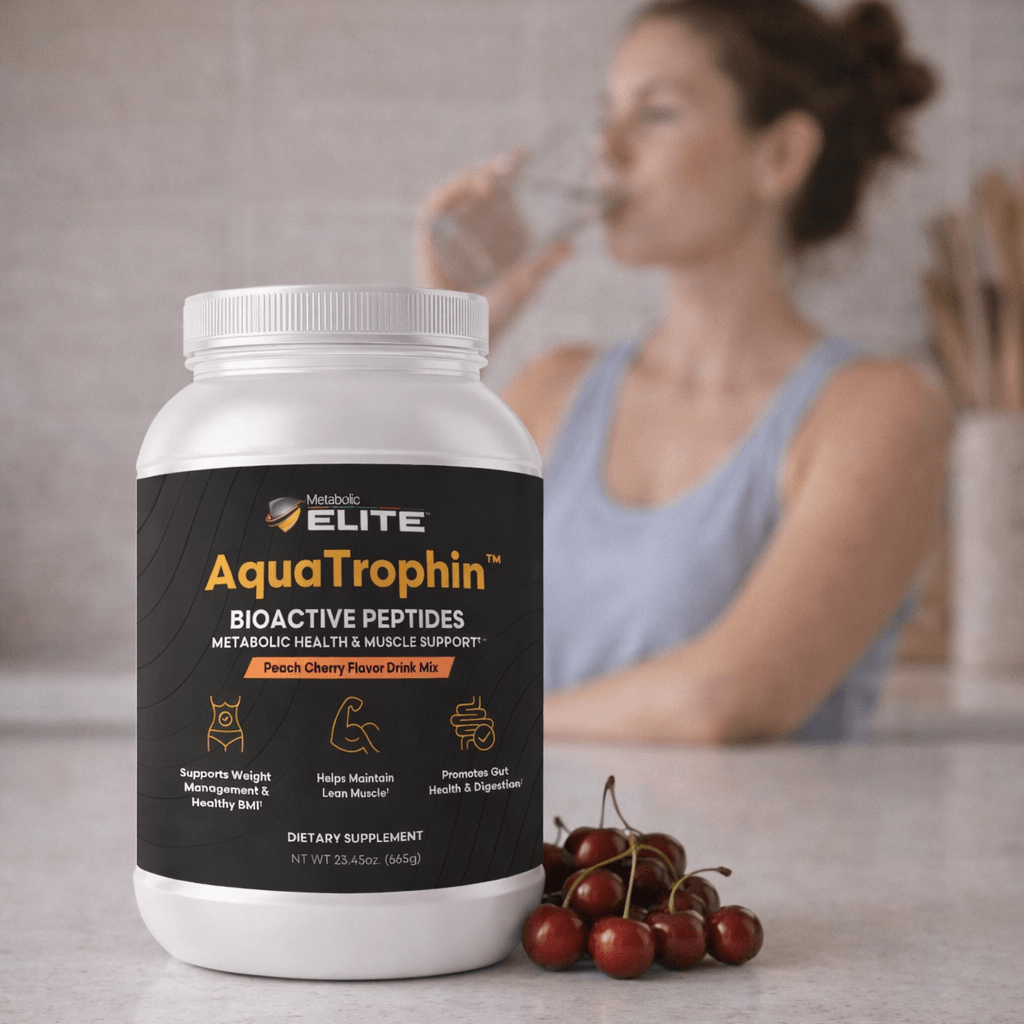
Protecting lean mass, restoring gut integrity, supporting the metabolic signaling that determines how you age – none of that is in the prescription. The complete protocol addresses all of it.
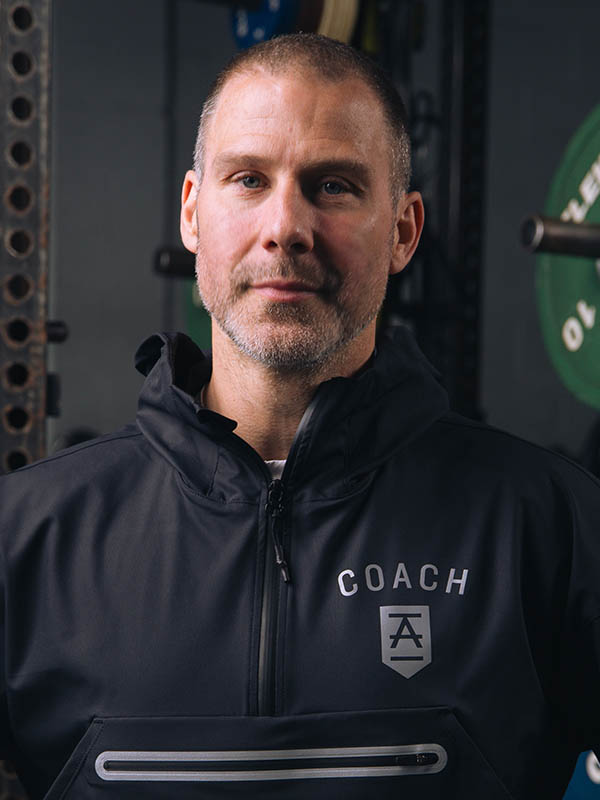
Tim Caron is the Co-Founder and Head Coach of Allegiate Gym. With an extensive background in strength and conditioning, he has spent his career developing high-performance training systems rooted in science and real-world application. Before launching Allegiate, Tim served as Head Football Strength and Conditioning Coach at Army West Point and as Associate Strength Coach at the University of Southern California (USC), where he worked with some of the nation’s top athletes.
At Army and USC, he focused on integrating strength, speed, and injury prevention protocols to maximize athlete performance. His approach combined advanced programming strategies with practical coaching, helping build resilient, high-performing teams.
Tim holds a master’s degree in Strength and Conditioning from Springfield College and a bachelor’s degree in Exercise Science from Plymouth State University. His educational and professional journey reflects his commitment to evolving the strength and conditioning field by blending rigorous academic research with hands-on coaching expertise.
Today, Tim brings his philosophy to Allegiate Gym, where he empowers everyday athletes and professionals alike to train smarter, move better, and achieve sustainable, long-term performance.